

Home › Landscape Lighting › Justin
JUSTIN, TEXAS
Landscape Lighting in Justin, TX
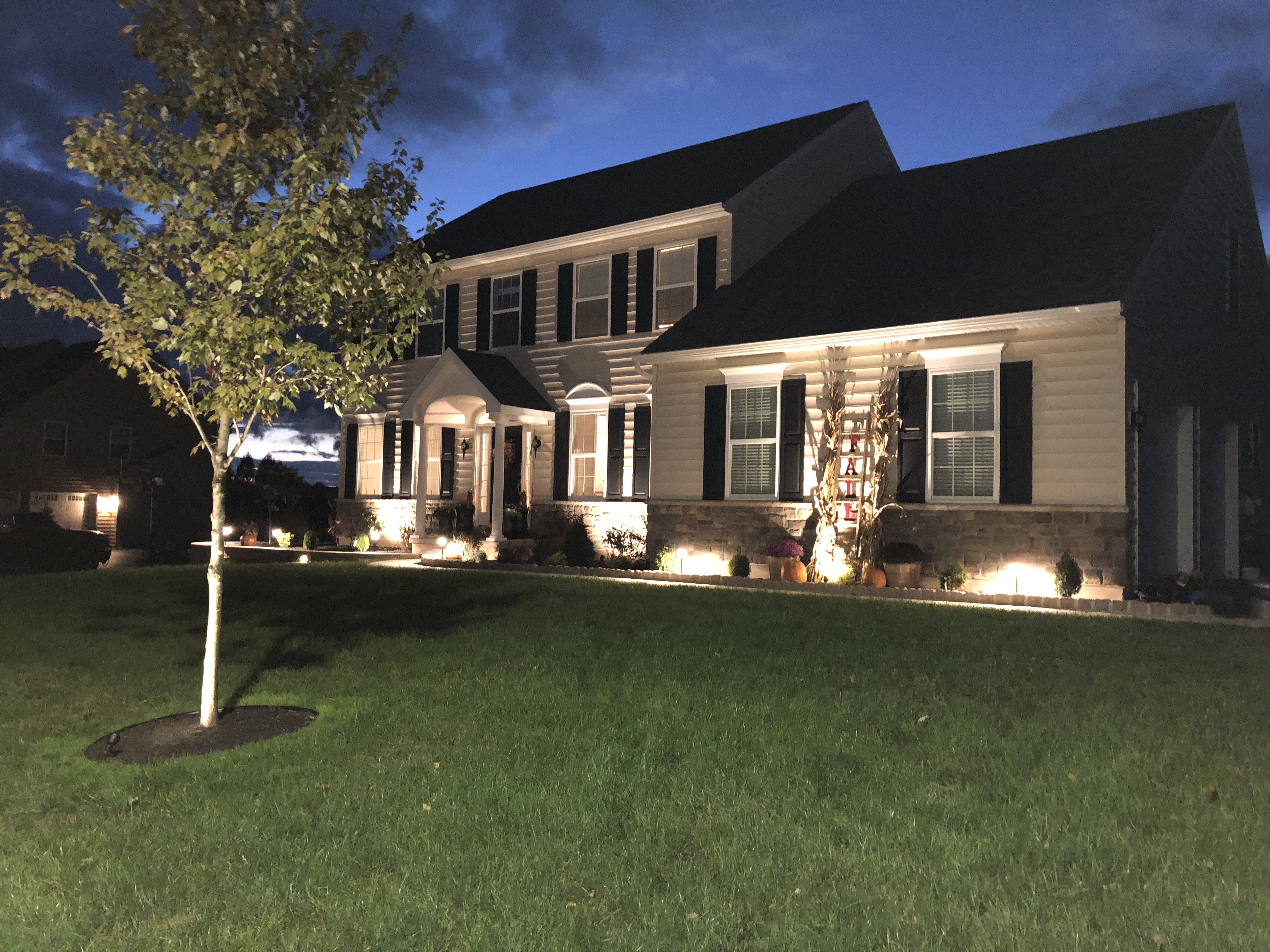
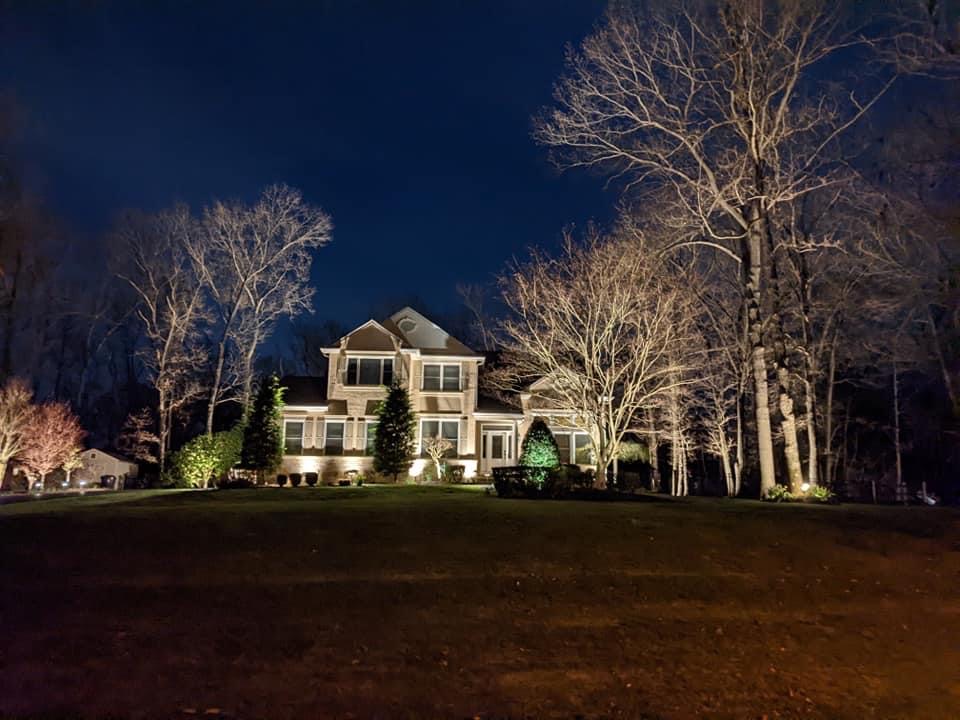
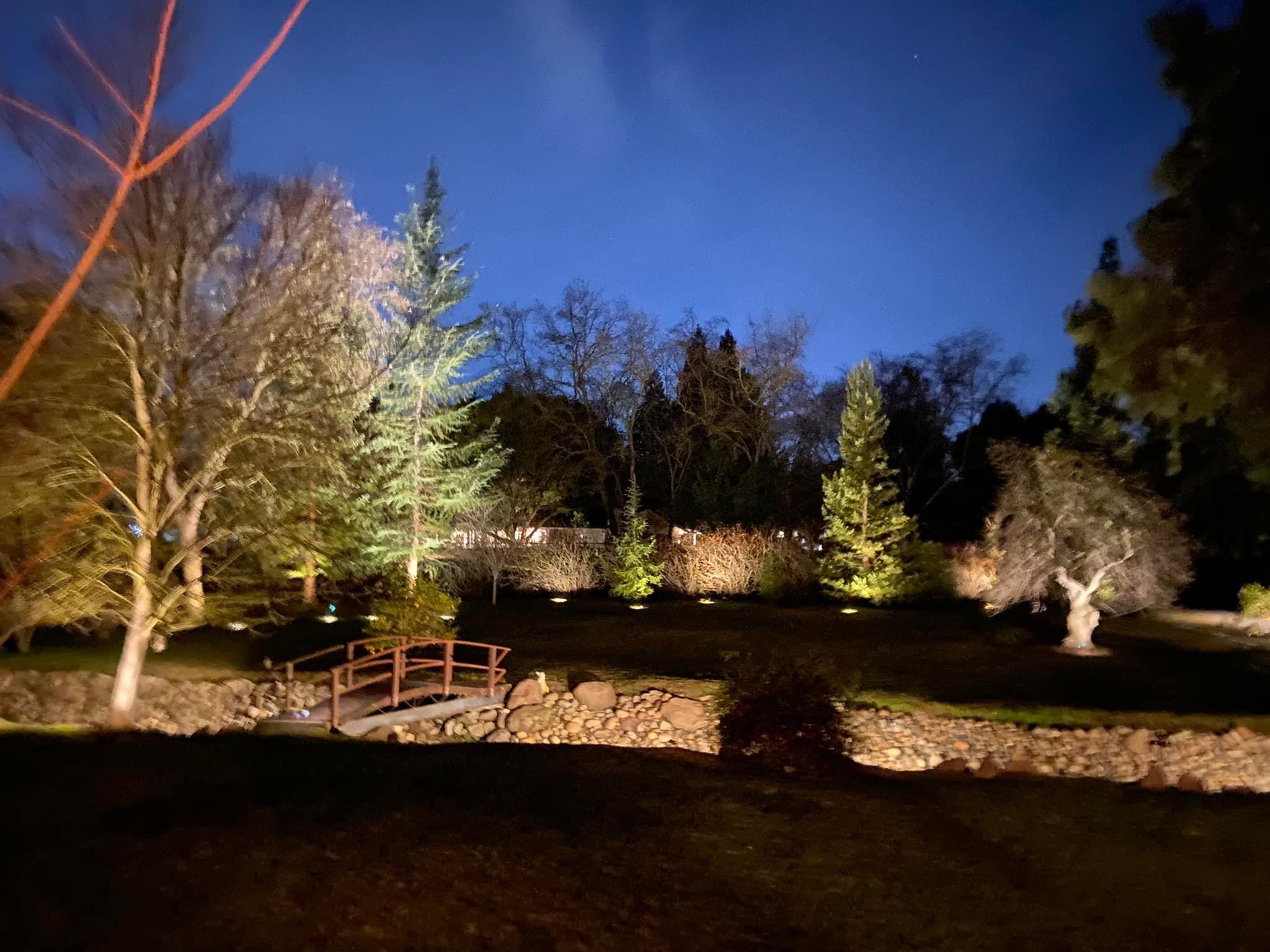
Landscape lighting for Justin homes on larger lots and acreage. Long drives, open yards and big trees lit with warm, low-voltage LED.
✓ 4.5-star Google rating ✓ Custom designs ✓ Service after install
QUICK ANSWER
In Justin, TX, Christmas Decor by Carruthers Decorative Lighting designs and installs low-voltage LED landscape lighting for homes, acreage properties and local businesses. We light drives, entries, trees, patios and outbuildings, size the transformer for long cable runs and service the system later. Call 972-620-9560 for a site visit.
Since 1978
Dallas family business
5+ years
Commercial and large residential lighting
Fully insured
Liability and workers’ comp
4.5★ Google
Rated by DFW clients
Our Justin Outdoor Lighting Work
Our landscape lighting line, NTD (Nite Time Decor), covers each of these for homes and commercial sites.
01
Lit routes to the door
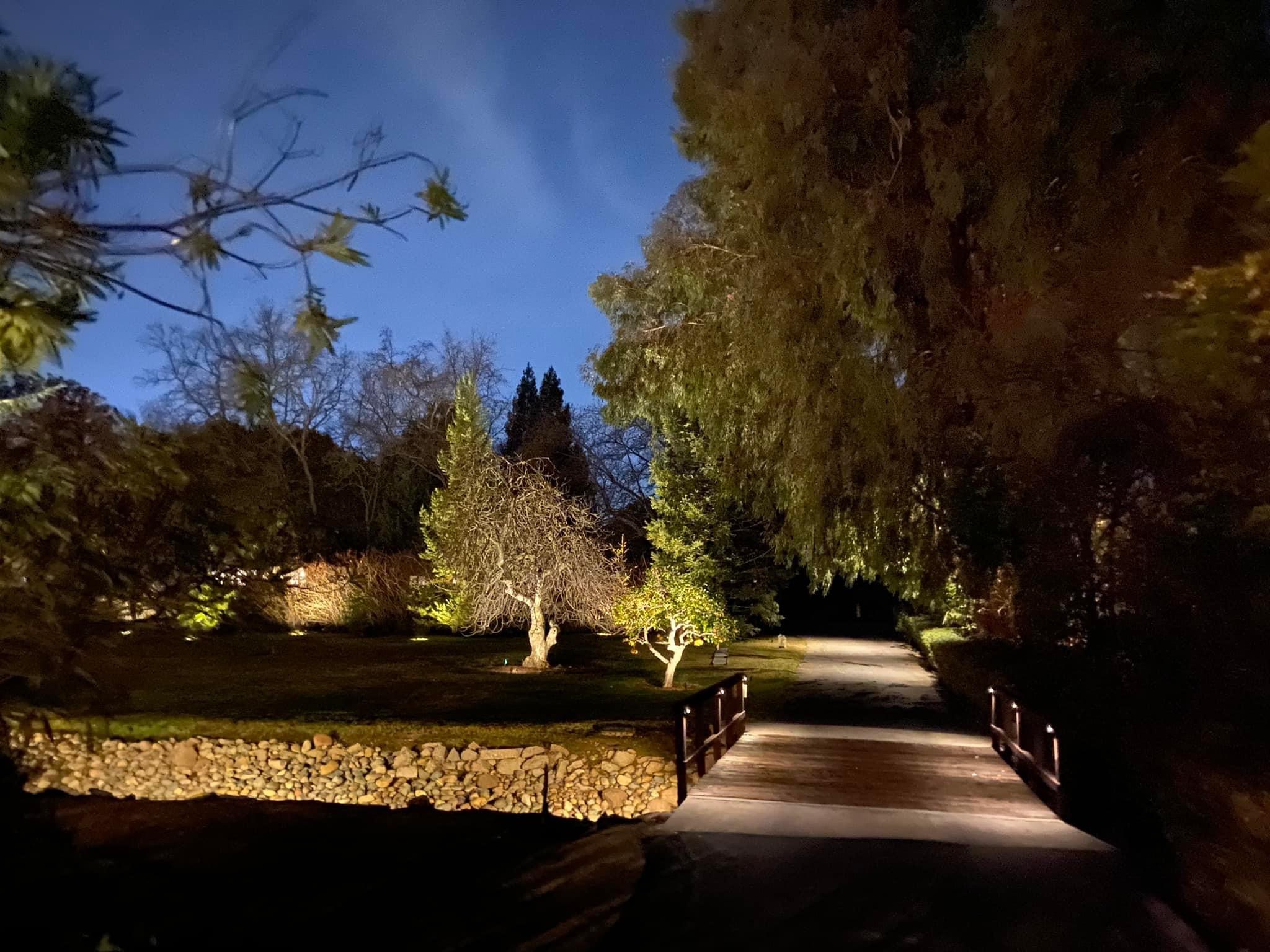
Drive, front walk, side gate and back steps get low fixtures that light the ground, not people's eyes. Guests find the entry and footing stays sure on uneven pavers.
04
Outdoor rooms
Kitchens, fire pits and covered patios get task light where you cook and low, warm light where you sit, so evenings outside in Justin last longer.
02
Shade trees as the centerpiece
One large tree, lit well, often does more for a Justin yard than a dozen small fixtures. We pick the strongest specimens and light them from two sides for depth.
05
Design built for your lot
We sketch where every fixture, cable run and transformer goes, so you know what the finished Justin property will look like before a single trench is cut.
03
Safer dark corners
We find the spots your porch light misses: the side of the garage, the back fence line and the steps off the patio, and put soft, steady light there.
06
Monuments and signs
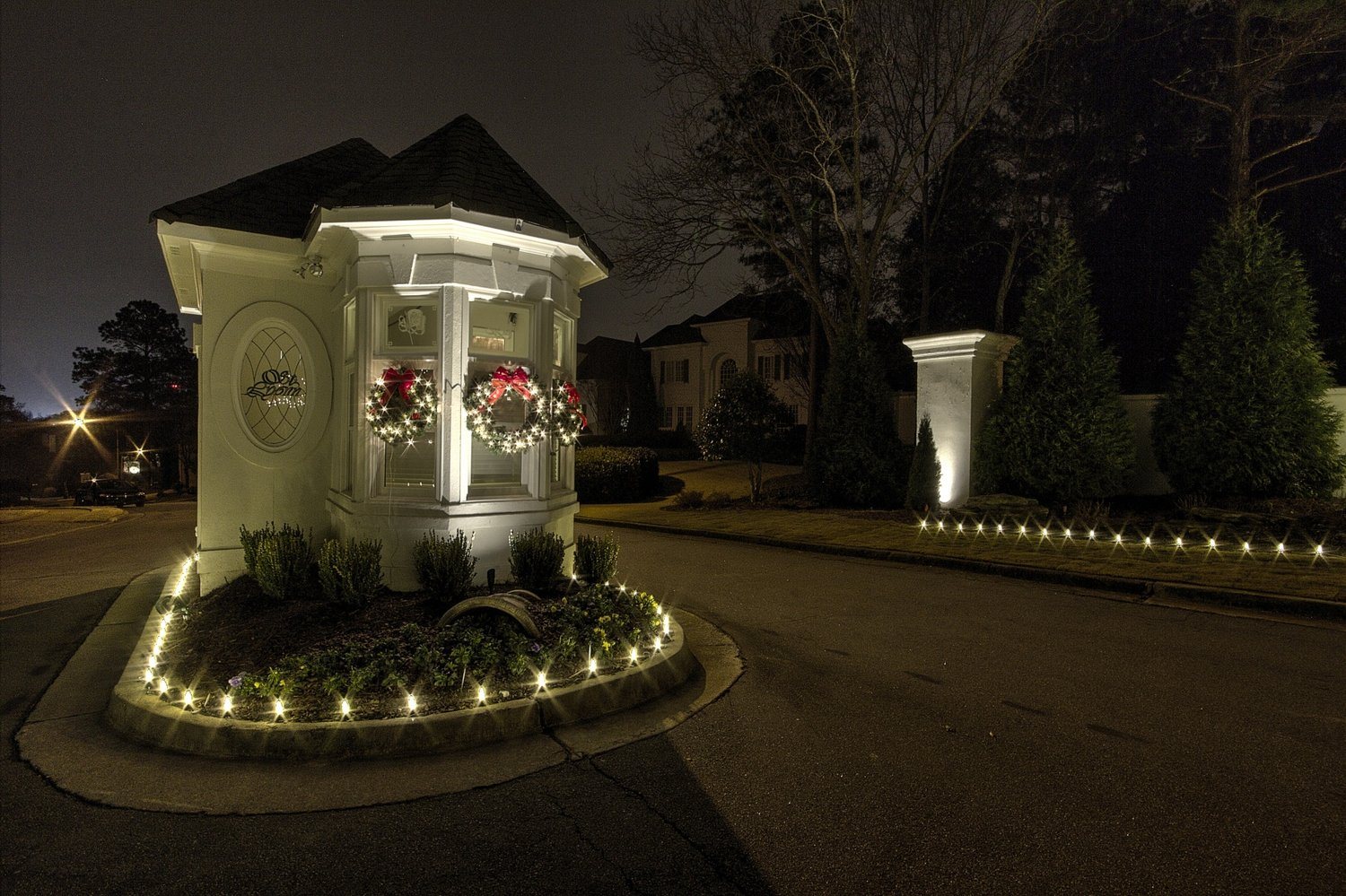
A lit monument sign or community entry tells drivers they have arrived. We wash the lettering evenly, light the plantings around it and keep glare out of drivers' eyes.
Built for North Texas Conditions
North Texas is hard on outdoor gear. Summer heat, spring hail, heavy storms and expanding clay soil all work against fixtures and wiring.
We set fixtures on sturdy stakes or mounts, leave slack in cable runs so shifting soil does not pull connections apart, and use sealed connectors rated for wet ground. Fixtures are placed with room for trees and shrubs to grow, so the Justin design still works a few seasons from now instead of disappearing behind new growth.
Sealed connectors for wet ground
Cable slack for shifting clay soil
Sturdy stakes and mounts for storms
Placement that allows for plant growth
What Happens After You Call
01
Start the conversation
Tell us about the property, the look you want and any HOA or commercial requirements we need to meet.
02
Walk the grounds
A designer walks the yard, notes trees, beds, hardscape and power, and asks how you use the space after dark.
03
Proposal
A written proposal lists zones, fixture counts and materials. Options are laid out so you can scale the first phase up or down.
04
Clean install
The crew works around irrigation heads, roots and beds, and leaves the Justin yard looking the way they found it.
05
Aim after dark
We return at night to fine-tune aim and brightness, set the timer or app schedule and walk you through it.
Lighting Bigger Lots in Justin
Justin still has a small-town feel, with newer subdivisions growing in alongside acreage and ranch-style properties. Larger lots mean longer distances between the house, the road and the trees worth lighting. Good design here is about guiding people in safely and lighting a few strong focal points well.
Long driveways and gates
On acreage properties, the drive is the first thing guests and delivery drivers see. Low path lights at curves and a lit gate or entry column make it easy to find at night without flooding the countryside with light. Solar-looking stake lights fade fast; a wired system stays consistent all night.
FM 156 corridor
Small businesses and offices along FM 156 benefit from a lit sign and entry bed, so the property is easy to spot from the road after dark. Simple photocell and timer control keeps it running without staff attention. Light on the property's address marker also helps first-time visitors and emergency responders.
New subdivisions
Homes in Justin's newer neighborhoods often have young trees and clean facades. Facade wash, entry accents and a lit front walk give curb appeal now, and we leave room to add tree lights as the landscaping matures. Cable is sized for the future, so adding trees later is simple.
Barns, shops and outbuildings
Detached shops and barns are often dark and far from the house. Sizing cable and transformers correctly lets us carry safe low-voltage light out to the paths and doors people use at night. We bring cable to these buildings in shallow runs, routed along fence lines or driveway edges, so it stays out of pasture and mowing paths.
HOA Entrances and Common Areas
Community entrances, amenity centers and greenbelt paths are the first thing residents and visitors see. We light stone monuments, entry walls, median trees and walking trails with fixtures sized for public spaces.
Boards get one plan, a clear proposal built on cost factors and an insured crew that works around residents. We can also help individual homeowners in Justin meet the lighting guidelines in their HOA's design rules, so a home system is approved without back-and-forth.
Entry monuments and stone walls
Median trees and plantings
Trails and amenity centers
Help with HOA design guidelines
How We Build a Proposal
We price every system from the property itself, and these are the factors that move it.
Transformer and wiring
Total wattage sets transformer size, and long distances from the outlet to far corners of the yard add cable. Large lots and multiple zones need more of both.
Fixture quality
Solid brass and copper last longer outdoors than painted aluminum but cost more at the start. We match material to how exposed each fixture will be.
Front only or the whole lot
Many owners light the front first and add the back yard later. Phasing keeps the first project focused, spreads the investment over time and uses the same transformer and cable plan.
Timer, photocell or app
A basic photocell and timer is the most economical. App control and separate zones cost more but let you schedule trees, paths and patio independently.
Ground and hardscape
Soft beds are quick to work in. Clay, rock, heavy roots, driveways and stone walls slow the crew down and change the cost of running cable.
What DFW clients say
4.5-star average on Google from clients across Dallas-Fort Worth.
★★★★★
“Fast and courteous office staff and installers. Abraham my installer was excellent!”
robert simmons
★★★★★
“This is the first year I have used this company, & I can say I am absolutely pleased! The designer and I agreed on the overall design, and the team executed it properly. Any issues that have arisen since install, they have been very prompt in their…”
Ellen Sterin
★★★★★
“These guys were amazing. Highly recommend them for all your decorative lighting needs.”
Alex Shaw
Questions About Landscape Lighting in Justin
Have a question we didn’t cover? Call 972-620-9560 or request a free quote online.
How much does it cost to light a Justin yard?
–
There is no single number because every yard is different. The main drivers are how many fixtures you need, whether they are brass or aluminum, the transformer size, the distance cable has to travel and whether we cross concrete or stone. We visit, measure and send a written proposal that shows each factor.
Can low-voltage lighting reach far corners of an acreage lot?
–
Yes, with planning. Long runs need heavier cable, careful load balancing and sometimes a second transformer closer to the feature. We measure distances on the site visit and design the system so fixtures at the far end of a Justin property are as bright as the ones near the house.
How much digging does installation involve?
–
Very little. Cable is laid a few inches down in a narrow slit or tucked under mulch, so there are no wide trenches across the lawn. We avoid sprinkler heads and roots, close every slit as we go and clean up before we leave the property.
Why do you install LED instead of halogen?
–
LED lamps draw much less power, last far longer and keep their color well over time. That means lower running costs and fewer service calls. Warm white LEDs near 2700K give the same cozy look halogen was known for without the heat and constant bulb changes.
What happens to the lights after a big storm?
–
Most systems ride out storms without trouble because connections are sealed and fixtures are staked firmly. Hail or high wind can knock a fixture out of aim or bury it in debris. Call the office and we will schedule a service visit to straighten, re-aim or replace anything damaged.
Will lighting a rural property create light pollution?
–
It should not. We aim fixtures at specific targets, use shielded fixtures and warm color temperatures and avoid broad floodlights. The goal is a safe drive and a handsome house with the night sky still visible. Warm white, shielded fixtures keep the countryside dark at night.
Can different parts of the yard run on different schedules?
–
Yes. We can wire the system into zones, such as front trees, path lights and the back patio, and set each one separately. Many owners leave path and security lights on all night while accent lights shut off around midnight.
How many fixtures does a front yard need?
–
It depends on the size of the house, the number of trees and how much you want lit. A modest front yard might need a dozen or fewer fixtures; a large lot with mature trees and a long walk needs more. We design to the property rather than a set count.
Is landscape lighting better than a floodlight for security?
–
In many cases, yes. A single floodlight creates harsh glare and deep shadows next to it. Several softer fixtures spread across entries, side yards and fence lines leave fewer dark spots, help cameras see faces and keep the property looking welcoming.